Instant Loan Apps in USA 2026– Are They Safe?
Introduction
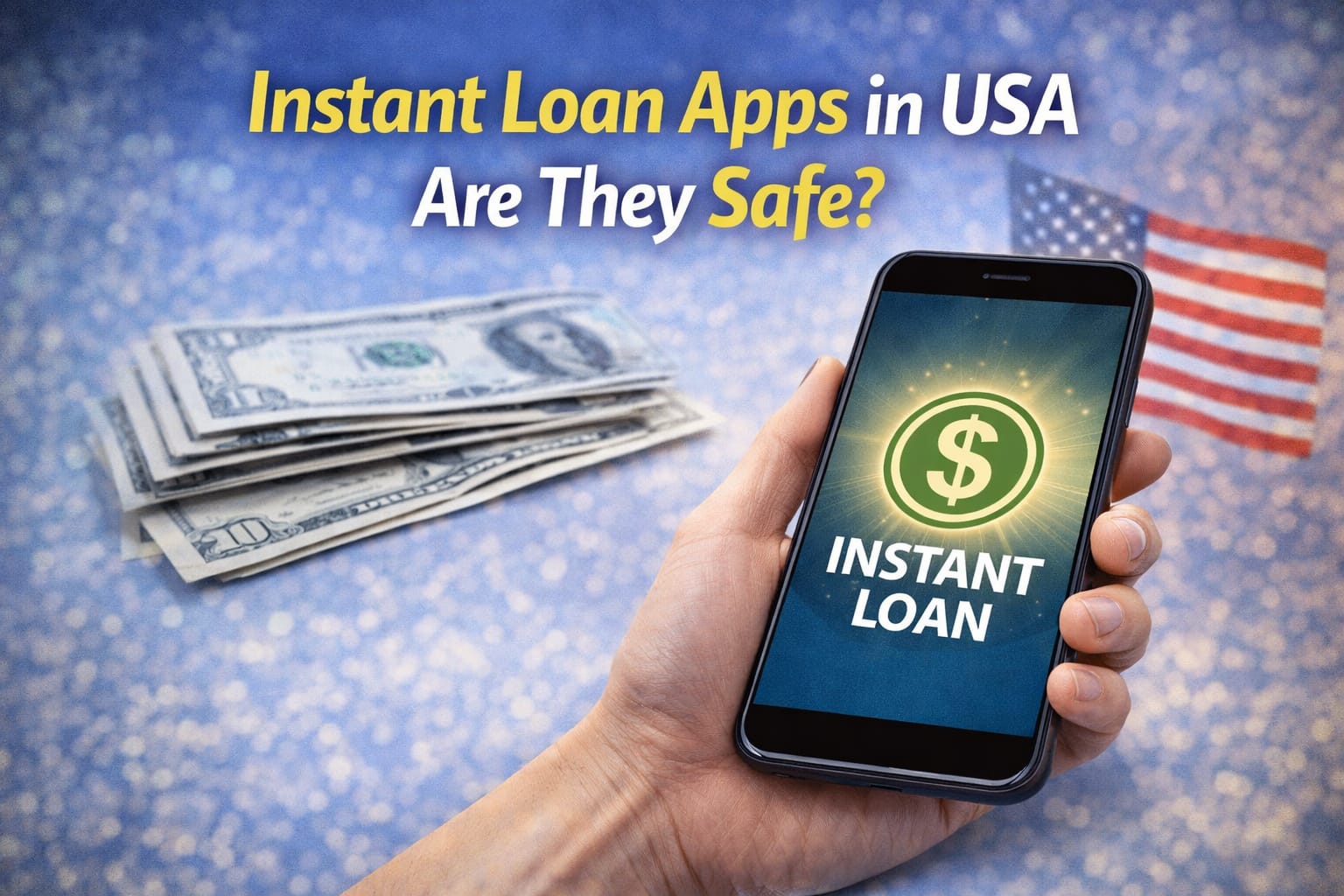
In recent years, instant loan apps have rapidly transformed the way Americans access credit. With just a smartphone and a few taps, borrowers can receive funds within minutes—sometimes even seconds. This convenience has made these apps increasingly popular, especially among younger generations and individuals who may not have easy access to traditional banking services.
However, as with any financial innovation, instant loan apps come with both advantages and risks. While they promise speed, accessibility, and minimal paperwork, concerns about privacy, high fees, predatory lending, and financial dependency have raised important questions: Are these apps truly safe? Or do they pose hidden dangers that borrowers often overlook?
This article explores the world of instant loan apps in the United States in depth, examining how they work, their benefits, potential risks, regulatory environment, and how users can protect themselves while using them.
What Are Instant Loan Apps?
Instant loan apps are mobile applications that allow users to borrow money quickly without the lengthy approval processes typically associated with banks or credit unions. These apps often provide small, short-term loans, sometimes referred to as “cash advances” or “payday loans.”
The defining feature of these apps is speed. Traditional loans may take days or even weeks to process, while instant loan apps can approve and disburse funds within minutes or hours.
Key Features
- Quick application process: Users can apply within minutes.
- Minimal documentation: Often no need for extensive paperwork.
- Fast disbursement: Funds are transferred almost instantly.
- Small loan amounts: Usually ranging from $50 to $1,000.
- Short repayment periods: Often tied to the borrower’s next paycheck.
Why Are Instant Loan Apps So Popular?
The rise of instant loan apps in the U.S. is not accidental. Several factors have contributed to their growing popularity.
1. Financial Emergencies
Unexpected expenses such as medical bills, car repairs, or urgent travel needs can create immediate financial pressure. Instant loan apps provide quick access to funds when time is critical.
2. Convenience
Users no longer need to visit a bank or fill out lengthy forms. Everything can be done from a smartphone, making borrowing more accessible than ever.
3. Limited Access to Traditional Credit
Not everyone qualifies for traditional loans. People with low credit scores or no credit history often find it difficult to get approved by banks. Instant loan apps typically have more lenient requirements.
4. Gig Economy Growth
Freelancers and gig workers often experience irregular income. Instant loan apps help bridge gaps between paychecks.
Types of Instant Loan Apps
Not all instant loan apps operate in the same way. Understanding the different types can help users make informed decisions.
1. Payday Advance Apps
These apps provide small loans that are expected to be repaid on the borrower’s next payday. They often charge fees instead of traditional interest rates.
2. Earned Wage Access Apps
These apps allow users to access wages they have already earned but not yet received. Instead of borrowing money, users are essentially withdrawing their own earnings early.
3. Personal Loan Apps
These apps offer slightly larger loans with longer repayment periods and may include interest rates similar to traditional loans.
4. Peer-to-Peer Lending Apps
Some platforms connect borrowers directly with individual lenders, bypassing traditional financial institutions.
Benefits of Instant Loan Apps

Instant loan apps offer several advantages that make them appealing to a wide range of users.
Speed and Accessibility
The most obvious benefit is speed. In emergencies, waiting days for approval is not always an option. Instant loan apps solve this problem effectively.
User-Friendly Experience
Most apps are designed with simplicity in mind. Even individuals with limited financial knowledge can navigate them easily.
No Collateral Required
Unlike some traditional loans, instant loan apps usually do not require collateral, making them accessible to more people.
Flexible Qualification Criteria
These apps often consider factors beyond credit scores, such as income patterns and account activity.
The Risks and Concerns
Despite their advantages, instant loan apps are not without risks. In fact, some of these risks can have serious financial consequences if not carefully managed.
1. High Fees and Interest Rates
One of the biggest concerns is the cost of borrowing. While some apps advertise low or no interest, they may charge high service fees, subscription fees, or “tips.”
In some cases, the effective annual percentage rate (APR) can be extremely high, similar to traditional payday loans.
2. Debt Cycle
Because loans are small and repayment periods are short, many users find themselves borrowing repeatedly to cover previous loans. This can create a cycle of debt that is difficult to escape.
3. Lack of Transparency
Some apps do not clearly disclose their fees or terms. Users may not fully understand how much they are paying until it is too late.
4. Privacy and Data Security
Instant loan apps often require access to sensitive financial data, including bank accounts and transaction history. This raises concerns about how this data is stored and used.
5. Unauthorized Withdrawals
Some users have reported unexpected or unauthorized withdrawals from their bank accounts, especially when repayment dates are missed.
6. Predatory Practices
Certain apps target financially vulnerable individuals, offering easy access to loans without emphasizing the risks involved.
Are Instant Loan Apps Regulated in the USA?
Yes, but the level of regulation varies.
Federal Regulations
Federal laws provide some level of consumer protection, including:
- Truth in lending requirements
- Fair debt collection practices
- Data privacy protections
However, not all instant loan apps fall neatly under traditional lending categories, which can create regulatory gaps.
State Regulations
Each state has its own rules regarding lending practices, interest rates, and fees. Some states have strict limits on payday lending, while others are more lenient.
Because many apps operate online, they may attempt to bypass state regulations, making enforcement more challenging.
How to Identify a Safe Loan App
Not all instant loan apps are dangerous. Many operate responsibly and provide valuable services. The key is knowing how to identify a trustworthy app.
1. Transparency
A safe app clearly explains its fees, terms, and repayment conditions.
2. Licensing
Check whether the app is licensed to operate in your state.
3. Data Security
Look for apps that use strong encryption and have clear privacy policies.
4. Customer Reviews
User feedback can provide insights into real experiences, both positive and negative.
5. No Hidden Fees
Avoid apps that have unclear or hidden charges.
Tips for Using Instant Loan Apps Safely
If you decide to use an instant loan app, consider the following precautions:
Borrow Only What You Need
Avoid taking larger loans than necessary. Smaller amounts are easier to repay.
Understand the Terms
Read all terms carefully before accepting a loan. Pay attention to fees, repayment schedules, and penalties.
Plan Repayment in Advance
Make sure you have a clear plan to repay the loan on time to avoid additional charges.
Avoid Multiple Loans
Taking loans from multiple apps can quickly lead to financial trouble.
Protect Your Data
Only use apps from reputable developers and avoid sharing unnecessary personal information.
Alternatives to Instant Loan Apps
Before turning to instant loan apps, consider other options that may be safer or more affordable.
Emergency Savings
Building a small emergency fund can reduce the need for borrowing.
Credit Unions
Credit unions often offer lower interest rates and more flexible terms.
Payment Plans
Some service providers allow you to pay bills in installments.
Borrowing from Friends or Family
While not always ideal, this option may be more affordable than high-fee loans.
The Psychological Impact of Easy Borrowing
Instant loan apps do more than just provide financial services—they also influence behavior.
Instant Gratification
The ease of borrowing can encourage impulsive financial decisions.
Reduced Financial Discipline
When money is always just a tap away, users may be less motivated to budget or save.
Stress and Anxiety
Repeated borrowing and mounting fees can lead to significant stress and mental health challenges.
The Future of Instant Loan Apps
The industry is evolving rapidly, and several trends are shaping its future.
Increased Regulation
As concerns grow, regulators are likely to introduce stricter rules to protect consumers.
Improved Transparency
Apps may be required to disclose fees more clearly.
Integration with Banking
Some traditional banks are beginning to offer similar services, blending convenience with regulation.
Use of Artificial Intelligence
AI is being used to assess creditworthiness more accurately and reduce risk.
Conclusion
Instant loan apps in the United States offer a powerful combination of speed, convenience, and accessibility. For many users, they provide a lifeline during financial emergencies. However, this convenience comes at a cost—sometimes a very high one.
The safety of these apps largely depends on how they are used and which apps are chosen. While some operate responsibly and transparently, others may exploit users through high fees, unclear terms, and aggressive practices.
Ultimately, instant loan apps should be used with caution. They are best seen as a short-term solution rather than a long-term financial strategy. By understanding the risks, reading the fine print, and borrowing responsibly, users can benefit from these tools without falling into financial traps.
In a world where financial technology continues to evolve, staying informed is the best defense. Whether instant loan apps are safe or not is not a simple yes-or-no question—it depends on awareness, regulation, and responsible usage.
Final Thoughts
Instant loan apps are neither entirely good nor entirely bad. They are tools—and like any tool, their impact depends on how they are used. With proper knowledge and caution, they can be helpful. Without it, they can lead to serious financial consequences.
The key takeaway is simple: convenience should never replace careful decision-making, especially when it comes to money.